What Is the Strategic Petroleum Reserve?
Why This Matters Right Now
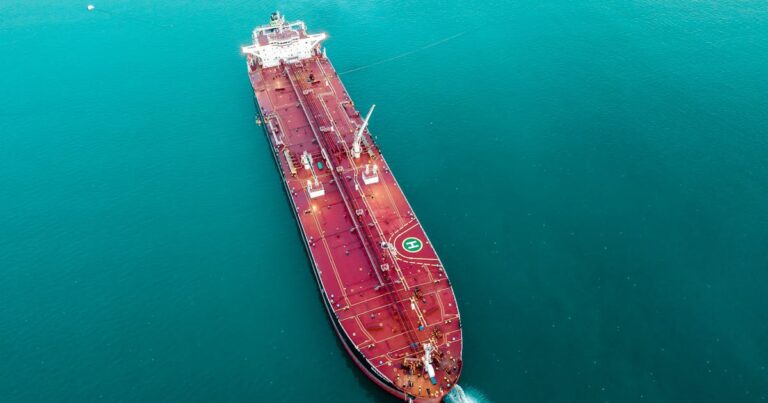
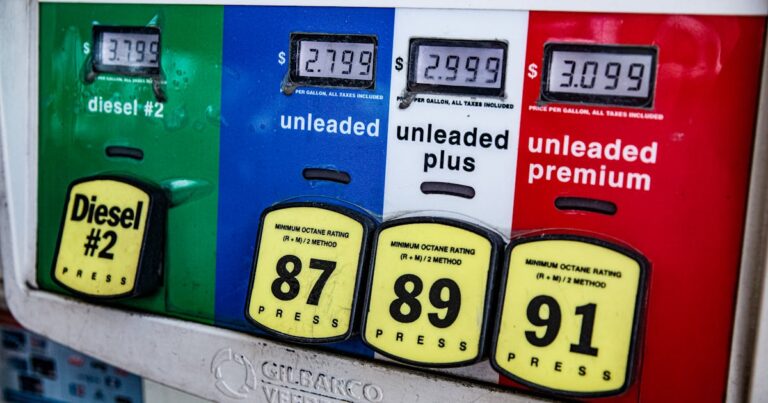
Oil surged above $100 a barrel this week as the US-Israel war with Iran disrupted shipping through the Strait of Hormuz. On Monday, G7 finance ministers met to discuss one specific tool: releasing oil from their strategic reserves. They decided against it, for now. But the question on every energy trader’s desk is: what exactly are those reserves, and how much would a release actually help?
What Is the Strategic Petroleum Reserve?
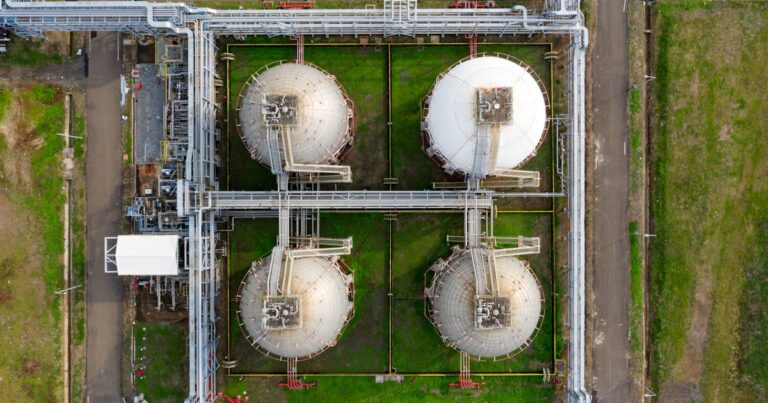
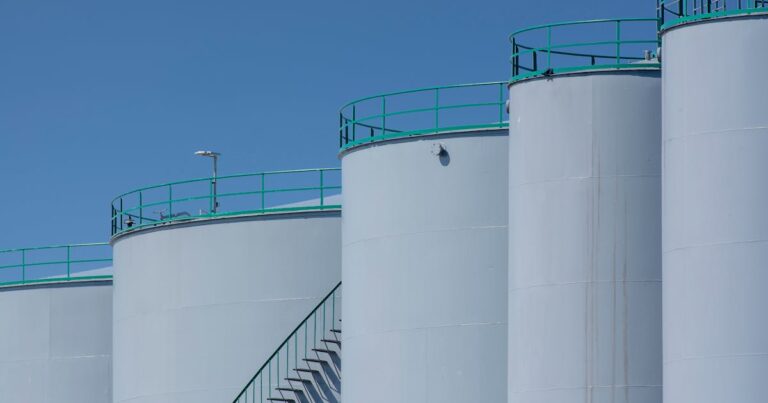
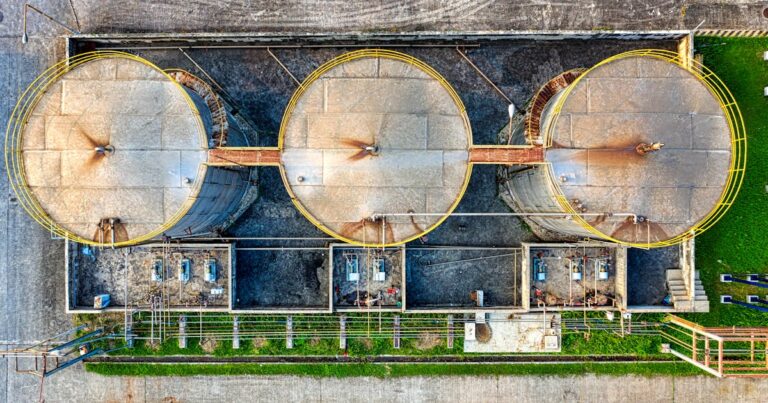
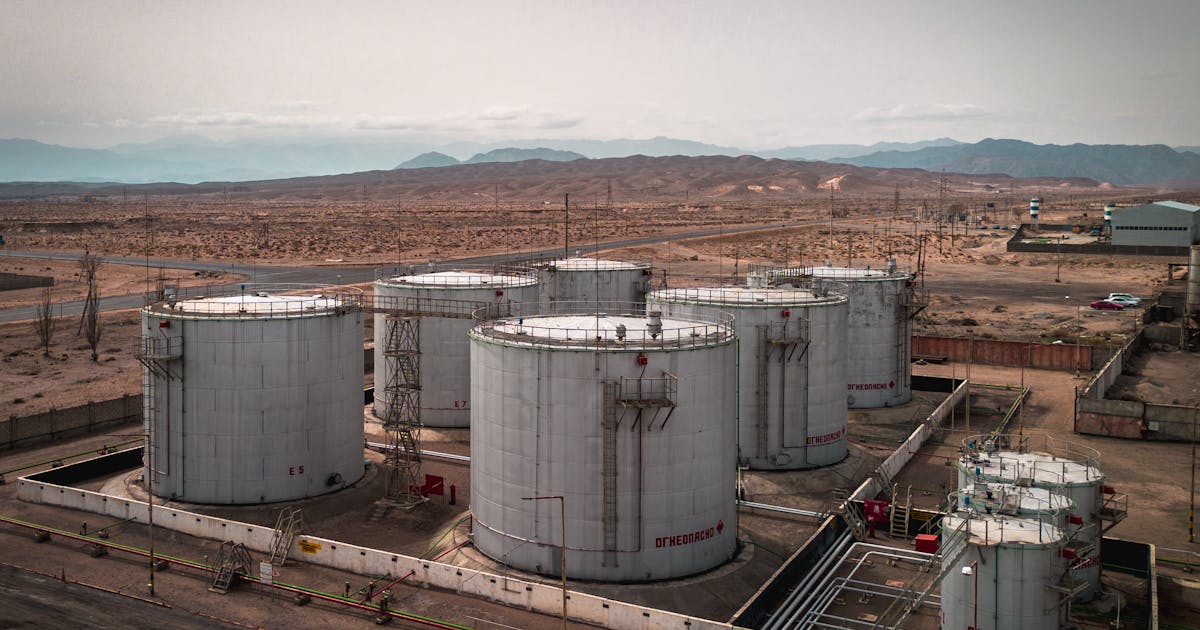
The Strategic Petroleum Reserve (SPR) is an emergency stockpile of crude oil owned and operated by the US federal government. It holds up to 714 million barrels stored in 60 underground salt caverns across four sites in Texas and Louisiana. Think of it as a national emergency fuel tank — buried underground, managed by the Department of Energy, and only tapped when a major supply crisis hits.
How Does It Work?
The US can withdraw up to 4.4 million barrels per day from the SPR, roughly a quarter of daily US consumption. Once released, oil takes about two weeks to reach the market — the Department of Energy auctions it to registered companies, who then refine and distribute it.
The president has broad authority to order a release. A full emergency drawdown requires declaring a “severe energy supply interruption.” For smaller disruptions, up to 30 million barrels can be released without declaring an emergency. Congress must approve any spending to refill the reserve afterward.
The IEA (International Energy Agency) also coordinates reserve releases among its 32 member countries. The IEA members collectively hold more than 1.2 billion barrels, with another 600 million held by private companies in those countries. That is the full toolkit the G7 is sitting on.
Has It Been Used Before?
Five emergency drawdowns have occurred since the SPR was created in 1975:
- 1991 — Gulf War
- 2005 — Hurricane Katrina
- 2011 — Libya conflict (coordinated IEA release of 60 million barrels)
- 2022 — Russia invasion of Ukraine (two releases, including 180 million barrels, the largest in SPR history)
That 2022 release drew the reserve down to under 400 million barrels, a 40-year low. It has been partially rebuilt since, but the SPR is not as full as it was before Ukraine.
Why the G7 Held Off
G7 finance ministers met Monday and agreed to keep reserves locked for now. France’s Roland Lescure told reporters: “We’re not there yet. What we’ve agreed upon is to use any necessary tools, if need be, to stabilize the market.” The IEA’s Fatih Birol described the situation as “creating significant and growing risks for the market.”
The hesitation comes down to scale. The SPR and allied reserves can release roughly 1.8 billion barrels in total. But the Strait of Hormuz disruption has removed an estimated 20% of global oil supply. At 100 million barrels consumed per day globally, even a maximum coordinated release buys weeks, not months. Analysts at Kpler said it plainly: the only real fix is reopening the strait.
What to Watch
If fighting spreads further into Gulf infrastructure in Saudi Arabia, Qatar, or the UAE, the calculus changes fast. A coordinated IEA release could be announced within days. When it happens, expect a short-term price dip of $5 to $15 per barrel, followed by a return to conflict-driven pricing unless the underlying supply disruption eases.