Micron Is the Real AI Trade. Everyone Is Watching Nvidia.
Nvidia gets the headlines. Micron gets the money. The company reports earnings today with analysts expecting revenue up 136% year-over-year and EPS up 460%. Its 2026 HBM production is completely sold out. The stock is up 42% this year. And most investors are not paying attention because they are still staring at Nvidia.
The Trade Everyone Missed
When people talk about investing in AI, they picture Nvidia. The GPU. The chip that runs everything. And Nvidia is a great business. But here is the problem: Nvidia’s chips cannot function without high-bandwidth memory. Every H100, every H200, every Blackwell chip ships with HBM stacked directly on the processor. No HBM, no AI. The GPU is the headline. The memory is the bottleneck.
Micron Technology makes that memory. And right now, it cannot make enough of it.
What HBM Actually Is
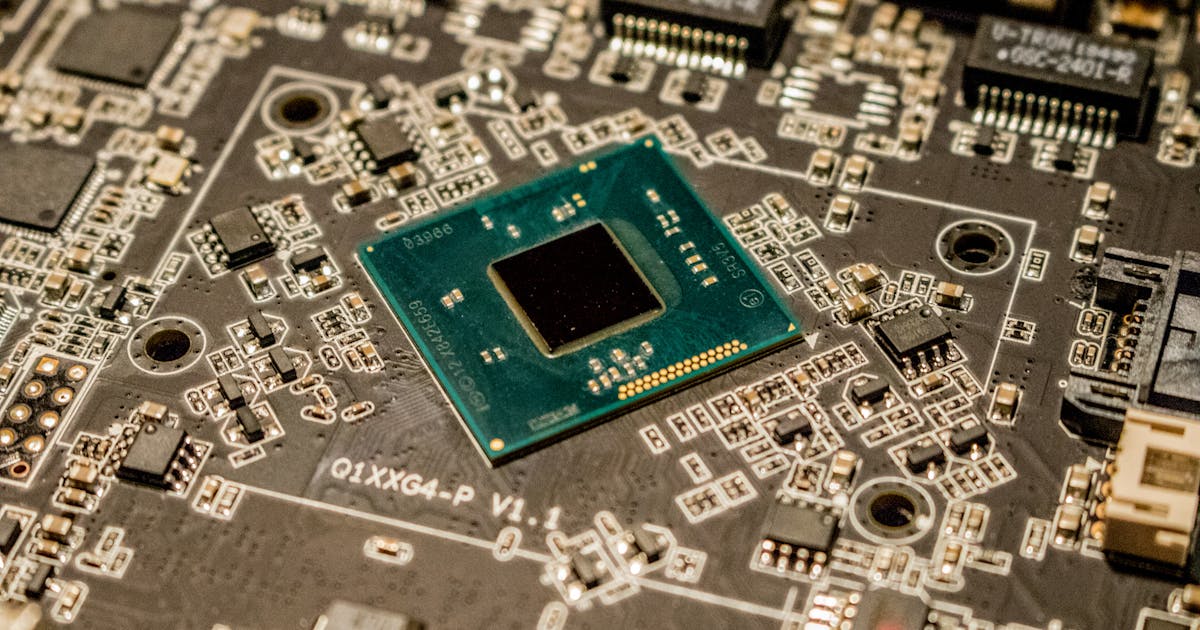
High-bandwidth memory is a type of DRAM designed specifically for the data throughput demands of AI workloads. Standard DRAM moves data too slowly for what a modern GPU needs to do. HBM stacks memory chips vertically and connects them through the chip package itself, giving processors dramatically faster access to data. It is not a premium version of regular memory. It is an entirely different product category, and it is now essential infrastructure for every major AI data center build-out.
The HBM market is expected to grow at a 40% compound annual growth rate through 2028. Micron currently holds an estimated 21% to 25% of that market. SK Hynix and Samsung hold most of the rest. There are 3 companies in the world that can supply this product at scale. Demand is structurally outpacing supply.
The Numbers Reporting Today
Micron reports fiscal Q2 2026 results today at 2:30 PM ET. Wall Street consensus estimates:
- Revenue: $19.0 billion, up 136% year-over-year
- EPS: $8.50 to $8.74, up 460% year-over-year
- HBM guidance: Entire 2026 production already sold out
Micron has guided for substantial new records in revenue, gross margin, EPS, and free cash flow for both Q2 and the full fiscal year 2026. The company has committed $200 billion in AI infrastructure spending. The stock is up 42% year-to-date and approaching a $500 billion market capitalization.
Why the Multiple Is Still Cheap
Here is the argument in plain terms. Nvidia trades at roughly 25 to 30 times forward earnings. Micron trades at a fraction of that despite posting revenue growth that rivals Nvidia’s own AI-driven surge. The market is still pricing Micron as a cyclical memory company — the kind of business that booms and busts with the DRAM cycle. That framing is outdated.
HBM is not a commodity. You cannot switch suppliers mid-build-out. Once a hyperscaler qualifies Micron’s HBM product for its servers, it stays qualified. The switching costs are enormous and the qualification process takes months. This is sticky, recurring, and growing demand — not the spot-market volatility that used to define the memory business.
The Risk That Is Real
There is a legitimate bear case and it deserves to be stated clearly. If AI infrastructure spending slows — whether because of rising rates, a recession, or because hyperscalers simply pause to absorb what they have already built — HBM demand could cool faster than the market expects. Micron is a capital-intensive business and downturns in the memory cycle have historically been severe.
The Iran war and the resulting pressure on global growth is also a factor. A world where oil stays above $90 and the Fed cannot cut rates is not the ideal environment for high-multiple tech spending. That is a real risk.
But here is the counter: the hyperscalers have not slowed. Microsoft, Google, Amazon, and Meta have all either maintained or increased their 2026 capex guidance despite the macro noise. The data center build-out is not discretionary spending. It is an infrastructure arms race and nobody wants to fall behind.
What To Watch in Today’s Report
The headline numbers matter less than 3 specific things. First, HBM pricing guidance. If average selling prices are holding or rising, margin expansion continues. If pricing is under pressure, the bull case weakens. Second, fiscal Q3 guidance. Management’s forward outlook will tell you more than the Q2 result. Third, any commentary on how long HBM production remains sold out. If Micron can extend that visibility into 2027, the stock has more room to run.
Nvidia gets the attention. Micron gets the backlog. The question is whether today’s numbers confirm that the real AI trade has been hiding in plain sight.