The IEA’s 400 Million Barrel Release Won’t Fix What’s Actually Wrong
The International Energy Agency is proposing to release up to 400 million barrels of oil from strategic reserves — more than double the largest release in IEA history. Oil fell 11% when the news broke. Problem solved, right?
No. The release will buy time. It will not fix the problem.
The claim
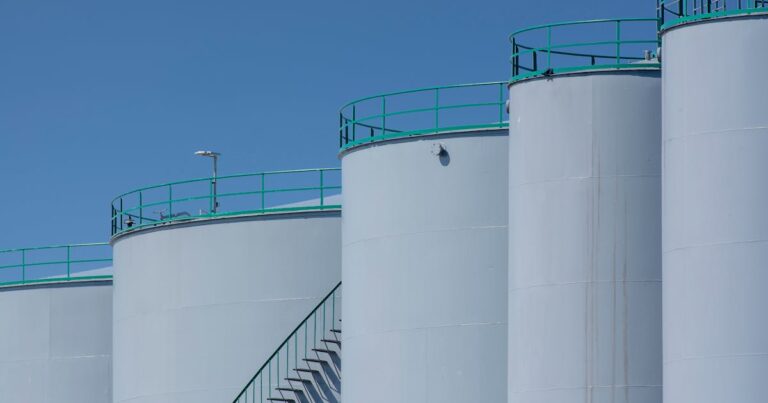
Strategic reserves exist for supply emergencies. They are not a price management tool. Using them that way depletes the buffer that actually matters if this conflict escalates further — and does nothing to address the reason prices are high.
Why most people get this wrong
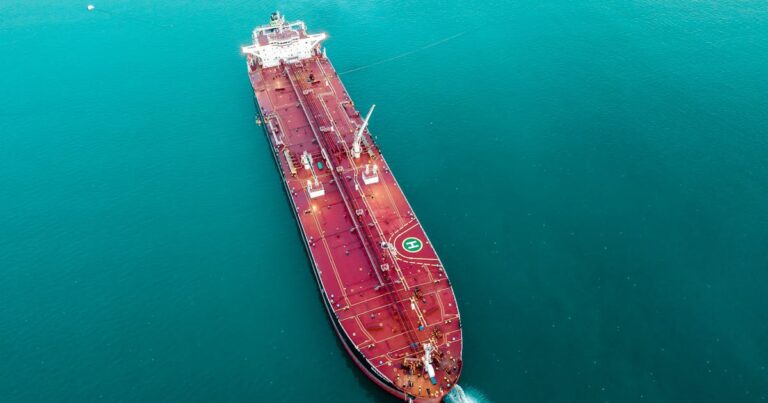
The narrative runs like this: oil is high because of a supply shortage, reserves add supply, therefore prices fall. That logic works on paper. What it misses is that the Strait of Hormuz is not a supply shortage in the traditional sense. The oil is there. The problem is that 20% of global petroleum consumption cannot safely move through the Strait because tanker operators are refusing to transit it. No barrel from a strategic reserve changes that calculation. The crude still has to be shipped, refined, and distributed through a market that is structurally impaired.
The evidence
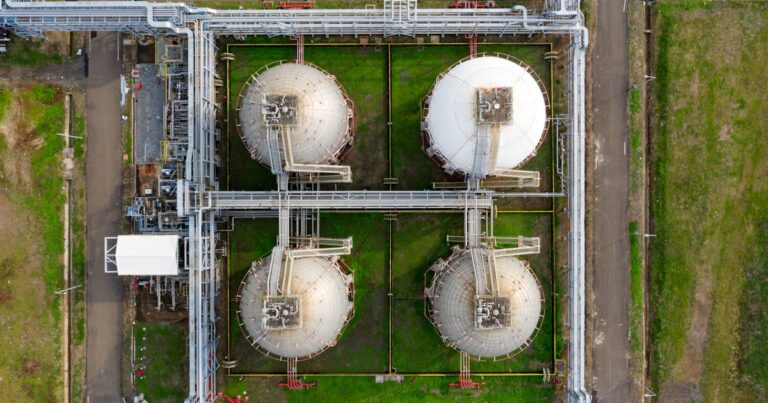
IEA member countries hold approximately 1.2 billion barrels in strategic reserves. The proposed release of 300 to 400 million barrels represents 25 to 30% of that total. Global oil consumption runs at roughly 100 million barrels per day. At 400 million barrels, this release covers about four days of world demand.
The 2022 precedent is instructive. After Russia’s invasion of Ukraine, the IEA coordinated a release of 182.7 million barrels — then the largest in its history. According to a U.S. Treasury analysis, that release lowered gasoline prices by 17 to 42 cents per gallon. Those gains evaporated within months as markets rebalanced.
And that was for a different kind of disruption — one where Russian oil was still physically present in the market, just being redirected. The Iran conflict has closed the most important shipping lane in the oil world. Rapidan Energy describes it as the biggest oil supply disruption in history. The 2022 release did not have to work against anything like this.
The counterargument
The strongest case for the release is not price management — it is signaling. If IEA members move fast and the price response is sharp enough, it may reduce the economic incentive for Iran to maintain the threat. Lower oil prices reduce the leverage Iran gets from disrupting them. That is a real, if fragile, strategic logic.
Saudi Aramco’s CEO called the situation “catastrophic” and warned consequences worsen the longer the war continues. The release could be the pressure valve that creates space for a diplomatic exit.
Why it still does not hold
Oil fell 11% on the announcement alone, before a single barrel was released. Markets have already priced in much of the expected relief. When the actual release pace becomes clear — and when traders do the arithmetic on four days of supply against an ongoing Hormuz disruption — that 11% has to be earned back by reality.
More importantly, deploying 25 to 30% of strategic reserves now leaves the IEA with less room if the situation deteriorates. A reserve is most valuable when it is full. The IEA is spending down a buffer that took years to build, to solve a problem that requires a political resolution, not a logistical one.
What to watch
Track two things over the next three to four weeks. First, tanker traffic data through the Strait of Hormuz. If transit volumes do not recover, the release is papering over a structural problem and prices will reverse. Second, the drawdown rate. The IEA has not said how quickly it will release the 300 to 400 million barrels. A slower release means a smaller daily supply addition — and a longer period of price support, but also a longer exposure to the risk that markets see through it.
The reserve release will work until it does not. The question is whether the political situation resolves first.