Iran Struck the World’s Largest Gas Plant. 17% of Qatar’s LNG Is Offline for Up to 5 Years.
Iran struck Qatar’s Ras Laffan Industrial City on Thursday, causing extensive damage to the world’s largest gas plant. 17% of Qatar’s LNG export capacity is now offline. Officials say repairs will take 3 to 5 years. Brent crude crossed $106. Here is what happened and what it means for global energy markets.
What Happened
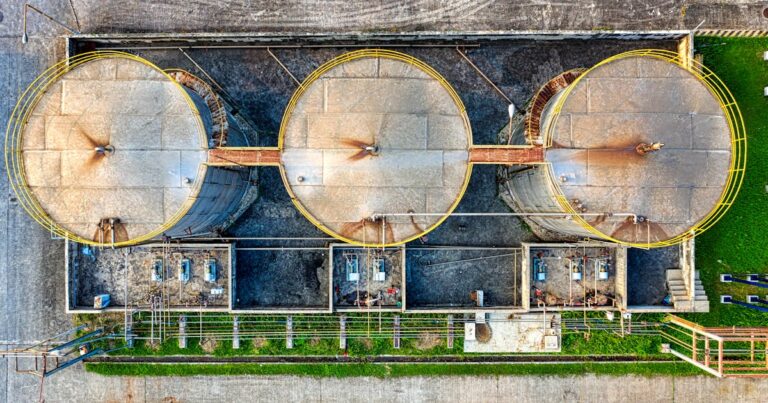
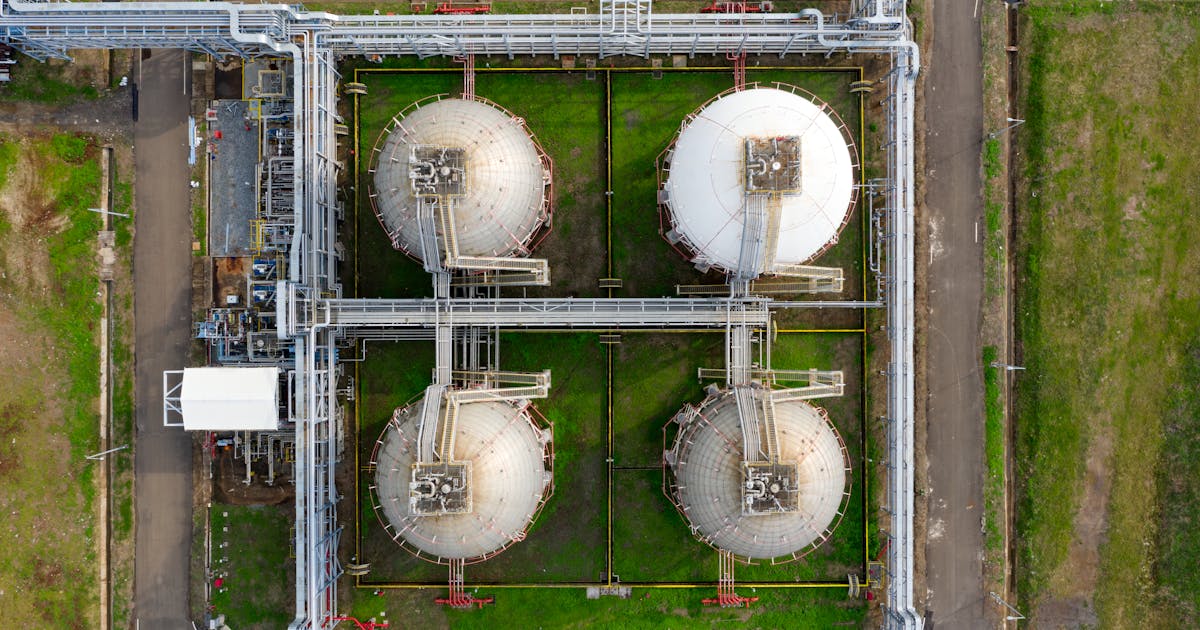
In retaliation for an Israeli strike on a key Iranian gas field, Iran launched missile and drone attacks on energy facilities across the Gulf on March 18 and 19, 2026. The primary target was Qatar’s Ras Laffan Industrial City — the complex that houses the world’s largest liquefied natural gas plant and accounts for roughly 1 in 5 barrels of global LNG supply.
QatarEnergy confirmed “extensive damage” and “sizeable fires” at the facility. Qatar’s Prime Minister Sheikh Mohammed assessed the damage and said repairs would be needed before output can fully resume. Independent analysts estimate the facility’s LNG export capacity is reduced by 17% and that it will take 3 to 5 years to restore full production.
Why This Is Different From the Hormuz Story
The Strait of Hormuz disruption was about flow — tankers unable to transit a shipping lane. That is a logistics problem. If the Strait reopens, supply resumes within days.
Ras Laffan is about infrastructure. The physical plant is damaged. The pipelines, compressors, and processing units that turn natural gas into LNG require physical repair or replacement. That takes years, not weeks. The SPR cannot offset this. There is no strategic LNG reserve.
Qatar supplies roughly 20% of global LNG. Europe, which replaced Russian pipeline gas with Qatari LNG after 2022, is the most exposed market. Japan and South Korea are also major buyers. A 17% reduction in Qatar’s export capacity tightens an already stressed global gas market with no obvious short-term replacement.
The Market Numbers
- Brent Crude: $106.41 — crossed $100 for the first time since the initial Hormuz disruption
- WTI Crude: $98.23, up 3% on Thursday
- SPY: -1.43% Friday morning, extending the post-Fed selloff
- QQQ: -1.85% Friday morning
- European gas futures: surging on LNG supply fear
- Alibaba (side note): reported Thursday — revenue +1.7% but net income -66% year-over-year, missing estimates across the board
Who Gets Hit Hardest
Europe is the most exposed. After cutting off Russian pipeline gas in 2022, European nations replaced roughly 40% of that volume with Qatari LNG. A sustained 17% reduction in Qatar’s export capacity means Europe enters next winter with structurally less supply and no easy substitute. Norway, the US, and Australia can ramp LNG exports but not quickly enough to fill a multi-year gap at scale.
Japan and South Korea hold long-term contracts with QatarEnergy. Depending on the terms of those contracts and force majeure clauses, they may face spot market purchases at significantly higher prices to fill the gap.
US LNG exporters — Cheniere Energy being the largest — are the clearest beneficiaries. Every point of tightness in global LNG markets increases the value of US export capacity and accelerates European efforts to sign long-term US LNG deals.
What To Watch
- Qatar damage assessment: The 3 to 5 year repair timeline is an early estimate. If engineering surveys show the damage is worse, that number extends. If key infrastructure survived, it shortens.
- European emergency response: The EU will almost certainly convene an emergency energy meeting. Watch for announcements on strategic gas reserve drawdowns, demand reduction mandates, or emergency LNG procurement.
- Ceasefire talks: Any credible US-Iran negotiation changes the picture. Without one, the risk of further infrastructure strikes across the Gulf is real.
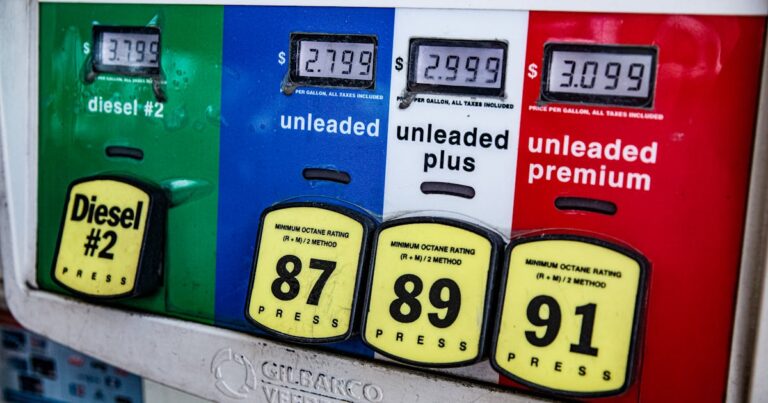
- Oil above $100: Brent at $106 means energy inflation is no longer a risk — it is a current reality. The Fed’s December cut just got harder to justify.
The Hormuz disruption was a flow problem. This is a capacity problem. The difference matters enormously for how long the energy shock lasts and how far it reaches.