Gold Is Down 3.2% While Oil Is Up 11%. The Data Shows What Kind of Crisis This Is.
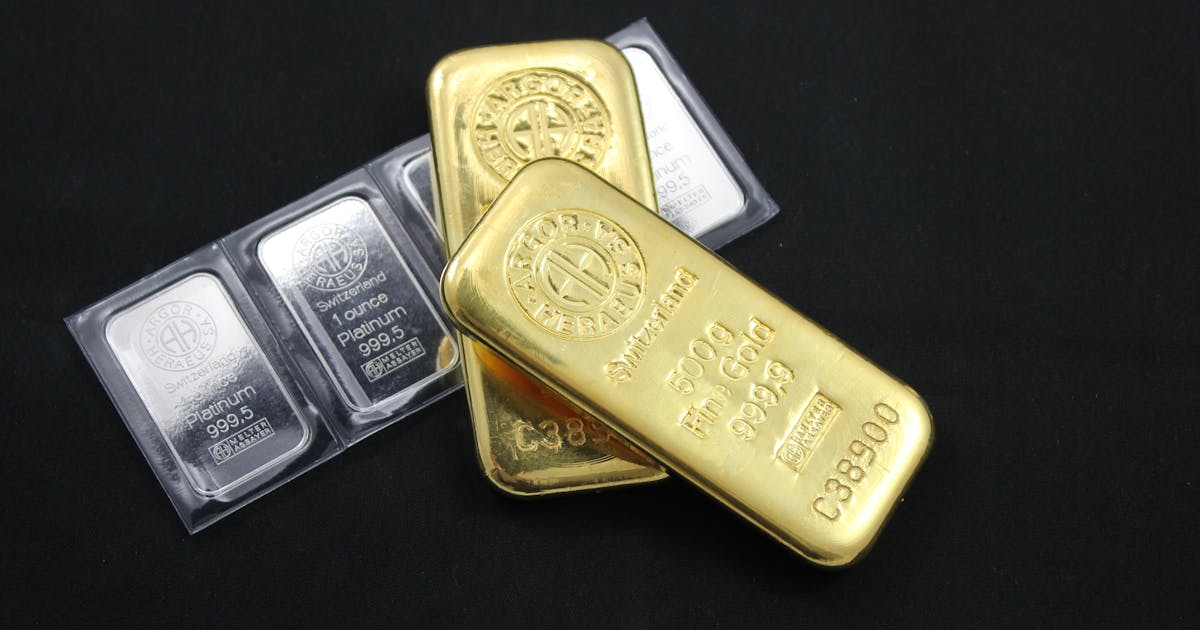
Since March 11, gold has fallen 3.2% while oil has risen 11%. Those two assets are supposed to move in the same direction during a crisis. The fact that they are moving in opposite directions is the most important signal in markets right now.
The Numbers
Why They Normally Move Together
Gold and oil share a well-established relationship in crisis periods. Both are priced in US dollars and both tend to rise when investors fear instability. In the 2003 Iraq War, the 2011 Arab Spring, and the 2022 Russia-Ukraine invasion, gold and oil moved upward together as geopolitical risk premiums built across commodity markets. Traders buy gold as a hedge against the same instability that drives oil higher.
Why the Divergence Matters
The current separation tells you something specific about the nature of this crisis. Gold is a hedge against broad fear and dollar debasement. Oil is a hedge against supply disruption. When oil surges and gold falls simultaneously, the market is saying: this is a supply shock, not a systemic fear event. Investors are not running to safety. They are repositioning around a specific physical disruption to global energy flows.
The more immediate explanation is mechanical. As oil surged 9.57% in a single session on March 12, traders holding leveraged oil positions faced margin calls. Gold, as one of the most liquid assets in any portfolio, was sold to meet those calls. The selling was not a verdict on gold’s fundamentals. It was a forced liquidation driven by the speed and size of the oil move.
What the Data Does Not Tell You
This divergence is not permanent. Margin selling exhausts itself. Once the forced liquidation is complete, gold typically rebounds as the secondary effects of an oil shock take hold: inflation rises, growth slows, and the classic stagflation trade reasserts itself. The 1973 OPEC embargo followed this exact sequence. Oil spiked first, gold sold off briefly on margin pressure, then gold rallied as inflation became the dominant narrative over the following 18 months.
One Thing To Watch
Watch for gold to find a floor and reverse while oil is still elevated. That signal, gold stabilizing above $455 while USO holds above $115, would confirm that the forced selling is over and the stagflation trade is beginning. At that point the setup for gold changes from a sell to a hold to a buy. The data will tell you before the headlines do.