5 Financial Stories You Need to Know Before Markets Open Monday
Markets were closed Friday for Good Friday. When they open Monday, they will have a lot to process. Oil is near a four-year high, a CPI report could show the worst inflation reading in years, and a presidential deadline on the Strait of Hormuz expired over the weekend. Here is everything you need to know.
JPMorgan Warns Oil Could Hit $150 If Hormuz Stays Closed Into May
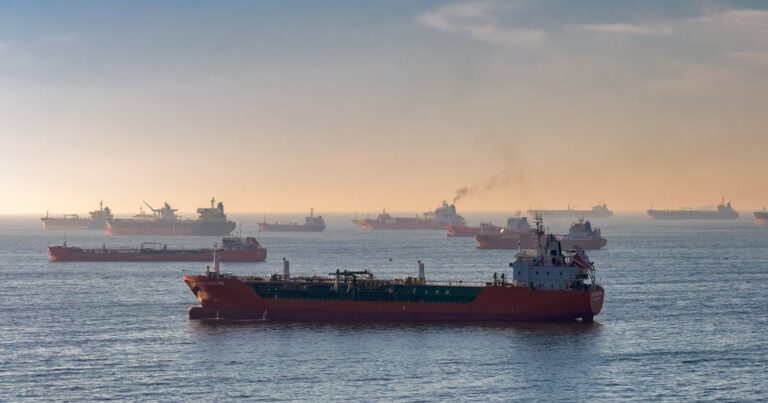
Crude prices are near $120 a barrel, a four-year high, as the Strait of Hormuz blockade stretches into its sixth week. JPMorgan issued a note this week warning that oil could spike above $150 an all-time record if flows through the strait remain disrupted past mid-May. The bank estimates the disruption has removed between 12 and 15 million barrels per day from global supply, roughly 15% of total output. At $150 oil, the inflation and growth consequences would be severe enough to tip most major economies into recession.
OPEC+ Agreed to an Output Hike. It Changes Almost Nothing.
Eight OPEC+ members including Saudi Arabia and Russia agreed Sunday to raise May output quotas by 206,000 barrels per day. The problem: most of those members cannot actually ship more oil because Hormuz is closed. The hike represents less than 2% of the supply currently disrupted. OPEC+ acknowledged in its statement that “restoring damaged energy assets is both costly and takes a long time,” signalling this is not a short-term problem even after a ceasefire. The real message from Sunday’s meeting was that relief is not coming soon.
This Week’s CPI Report Is the First Since the War Began. It Will Not Be Pretty.
The March Consumer Price Index report is due this week and is expected to be the most closely watched inflation print in years. Economists at Capital Economics forecast CPI to jump by nearly a full percentage point, driven by gasoline surging above $4 a gallon for the first time since 2022. The OECD has already warned that the Iran war will push US inflation above 4% for 2026. The Fed, which held rates steady at 3.5% to 3.75% in March, is caught between an inflation shock and a slowing economy. Rate cuts that were priced in for mid-2026 are now in serious doubt.
Trump Set a Monday Deadline to Reopen Hormuz. Oman Is Talking to Iran.
Trump threatened last week to escalate military strikes targeting Iranian civilian infrastructure if the Strait of Hormuz was not reopened by Monday. The deadline has now passed with the strait still closed. Oman’s foreign ministry announced over the weekend that deputy minister-level talks with Iran are underway to explore vessel transit options. Iran has selectively allowed some countries, including Iraq, to pass through the strait. Whether Trump follows through on the escalation threat, or whether Oman’s diplomacy creates an off-ramp, will be the dominant story when markets open.
Jobs report reality check: The March Employment Report was released Friday while equity and bond markets were closed for Good Friday. Monday will be the first chance for investors to react. With oil prices elevated and consumer confidence falling, any weakness in hiring will compound fears of a stagflationary slowdown.
Bitcoin holds above $66,000: Despite Google’s research last week showing a quantum computer could crack Bitcoin’s encryption in under nine minutes, Bitcoin has held above $66,000. Strategy executive chairman Michael Saylor publicly declared “Bitcoin has won” on Saturday. Markets appear to be treating the quantum threat as a 2029 problem, not a today problem.
- CPI release date and the headline number: anything above 3.5% will put rate cuts firmly off the table for 2026
- Trump’s response to the passed Hormuz deadline: escalation or a pivot toward Oman’s diplomacy
- Monday’s market open reaction to Friday’s jobs data: the first live read on whether the labour market is cracking under oil pressure