What Is the Strategic Petroleum Reserve and Why Is Trump Releasing 172 Million Barrels?
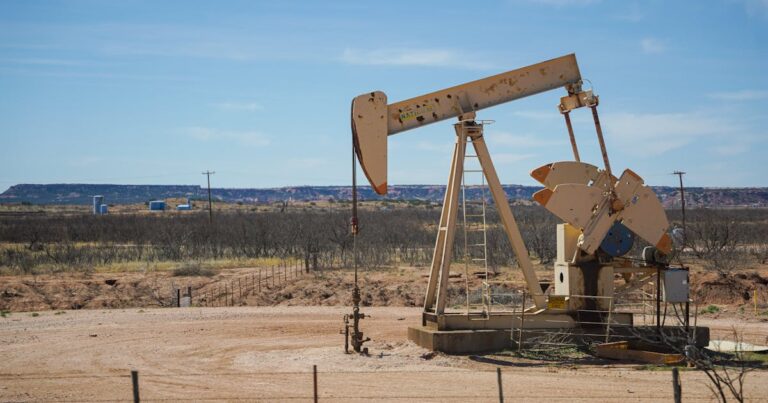
Oil is sitting near $100 a barrel, the Strait of Hormuz is partially closed, and the Trump administration just authorized the release of 172 million barrels of crude oil from a reserve most Americans have never thought about. Here is what the Strategic Petroleum Reserve actually is, how it works, and whether this release will do anything to help.
The Short Answer
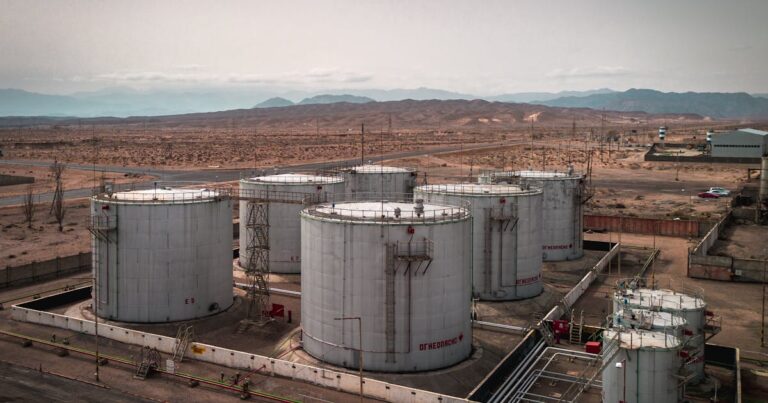
The Strategic Petroleum Reserve is the world’s largest government-owned emergency oil stockpile. It is a network of more than 60 underground salt caverns along the Gulf Coast of Texas and Louisiana, carved into natural salt domes thousands of feet below the surface. The U.S. government stores crude oil there specifically for moments when the global supply gets disrupted. Think of it as a national insurance policy against an oil shock.
How Did It Get Started?
The SPR was created in response to a lesson learned the hard way. In 1973, OPEC imposed an oil embargo on the United States in retaliation for U.S. support of Israel during the Arab-Israeli War. Gas lines stretched around city blocks and prices quadrupled within months. Congress responded by passing the Energy Policy and Conservation Act in 1975, signed by President Gerald Ford, which authorized the creation of a strategic reserve with a target of 750 million barrels. The original goal was never fully reached. At its peak in 2009, the SPR held 726 million barrels.
How Does It Work?
The salt caverns are enormous. Each one is roughly 200 feet in diameter and more than 2,500 feet tall, nearly tall enough to stack two Empire State Buildings on top of each other. The geology matters: salt is impermeable, which means oil stored in these caverns does not degrade and does not leak. At full capacity, the SPR can hold more than 700 million barrels.
The oil is released through a network of pipelines and marine terminals connected to U.S. refineries. Once a president authorizes a drawdown, the Department of Energy auctions the oil to the highest bidders among registered refining and trading companies. From presidential order to oil reaching the market takes roughly 13 days.
The maximum withdrawal rate is 4.4 million barrels per day, about one quarter of total U.S. daily consumption.
Where Does It Stand Today?
The SPR currently holds approximately 415 million barrels, less than 60% of its design capacity. It was drawn down significantly between 2021 and 2022 when the Biden administration released about 180 million barrels in response to rising gas prices after Russia’s invasion of Ukraine. That brought the reserve to its lowest level in 40 years. Some of those barrels were repurchased when oil prices fell, but the reserve was never fully restocked.
The United States holds about one-third of the total emergency oil reserves maintained by the 32 member countries of the International Energy Agency. Collectively those countries hold more than 1.2 billion barrels.
Why Is It Being Released Right Now?
The Strait of Hormuz, a narrow waterway between Iran and Oman, is the transit point for roughly 20 million barrels of oil per day, about one-fifth of global supply. Following U.S.-Israel strikes on Iran, the new Iranian leadership has indicated it will use the Strait as a pressure tool. The disruption has pushed crude prices from around $70 per barrel in early 2026 to nearly $100 today.
On March 11, 2026, the Trump administration announced the release of 172 million barrels from the SPR as part of a coordinated IEA response totaling 400 million barrels across 32 countries. The release will be phased over approximately 120 days. At that rate it covers roughly 20 days of the disrupted Hormuz supply.
Will It Actually Lower Gas Prices?
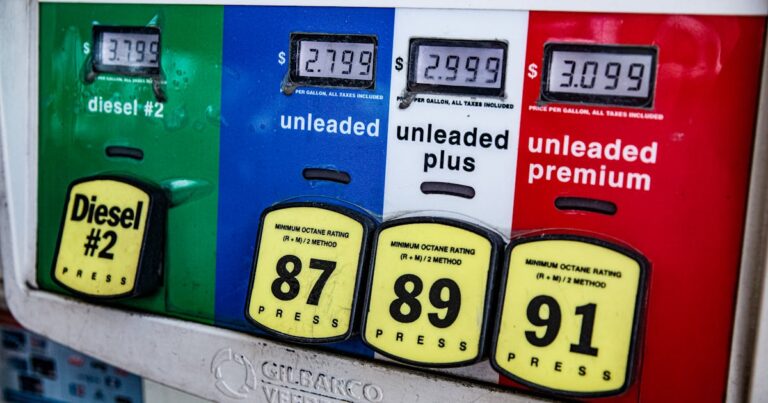
Analysts estimate that every $1 increase in crude oil translates to roughly 2.4 cents per gallon at the pump. The SPR release is designed to signal that supply will not collapse, which can calm futures markets and slow speculative buying. Whether it works depends almost entirely on what happens at the Strait of Hormuz. The release adds supply. But if 20 million barrels per day stays locked up, 172 million barrels buys the market about 8.5 days of buffer. The SPR is a pressure valve, not a solution.
What To Watch
The IEA and the U.S. Department of Energy have said early deliveries are expected to reach refineries by the week of March 16. Watch gas prices at the pump over the next two to three weeks. If prices stabilize or fall, the release is working. If prices continue rising toward $120, the market is signaling that the Strait situation has not materially improved.