Strait of Hormuz, Explained: Why 21 Miles of Water Control Global Energy
Hook
The Iran-Israel conflict that’s dominated headlines for the past month has sent oil prices soaring and spooked financial markets worldwide. But the real story isn’t about military strikes—it’s about a narrow piece of water in the Middle East that carries one-fifth of all the oil traded globally. This week, oil prices hit levels not seen since early 2026, and the reason is 21 miles.
The Short Answer
The Strait of Hormuz is a waterway connecting the Persian Gulf to the Arabian Sea. At its narrowest point, it’s only 21 miles (33 kilometers) wide. About 20 million barrels of oil and other petroleum products pass through it every single day—roughly 20 percent of all oil consumed worldwide. That makes it the world’s most critical energy chokepoint. When the strait feels threatened, the whole global economy feels it.
How It Works: The Chokepoint
Why this narrow passage carries so much
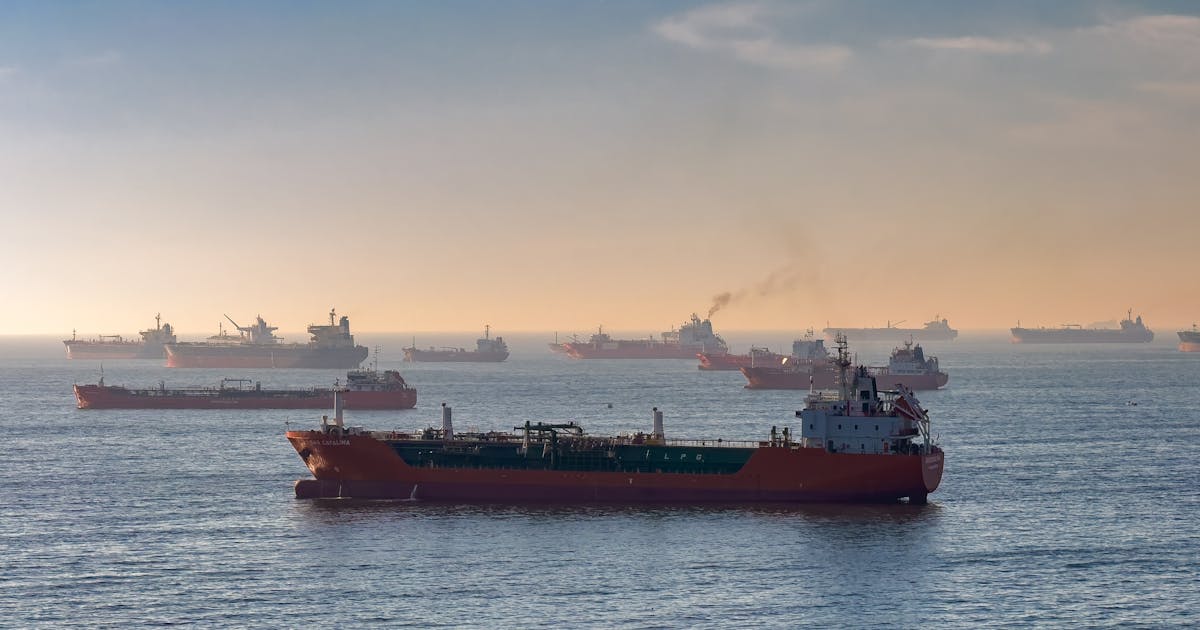
The Persian Gulf sits behind the Strait of Hormuz. Inside it are some of the world’s largest oil fields—Saudi Arabia, Iraq, the UAE, Kuwait. Almost all of their oil has to pass through this single narrow corridor to reach the rest of the world. Tankers the size of small cities line up to move through it every day. There’s no real alternative: while a few bypass pipelines exist (like Saudi Arabia’s East-West pipeline), they can only handle a fraction of the volume. If the strait closes, the oil doesn’t flow.
Why it’s unusable, not just closed
You might think a country would have to formally “close” the strait for it to matter. That’s not how it works. If there are drone attacks on ships, if war risk insurance becomes too expensive, if there’s confusion about whether it’s safe to enter—tankers will simply stop sailing. Ship operators will wait. Insurance becomes the real gatekeeper. That’s what happened last month: tankers started dropping anchor outside the strait even before any formal closure happened.
The ripple effects
When oil doesn’t flow smoothly through Hormuz, it doesn’t just affect gas prices at the pump. Diesel prices rise (hitting Vietnam’s gig workers especially hard). Shipping costs jump for everything moved by boat. Airline fuel gets expensive. Inflation expectations spike. Emerging markets that import energy take the hardest hit. What starts as a disruption in one narrow waterway becomes a headwind for the entire global economy.
Why It Matters Now
The Iran-Israel conflict has created what analysts call “soft closure” conditions in the strait. Ships are reporting electronic interference, drone activity, and insurance cost spikes. Brent crude oil jumped roughly 10 percent in the first week of fighting. If the disruption persists, analysts warn crude could approach 00 per barrel, and 8 to 10 million barrels per day could disappear from global supply. To put that in perspective: that’s equivalent to removing all of Nigeria’s oil output overnight.
For you: that means higher energy costs, which ripple into food, shipping, and general inflation. For emerging markets in Asia, it means potential currency pressure and slower growth.
The Bottom Line
The Strait of Hormuz is a reminder that in a globally connected economy, geography is destiny. One 21-mile-wide passage channels enough oil to power roughly 1 billion people worldwide. That’s why a regional conflict in the Middle East matters to your wallet, your company’s margins, and your government’s policy debates. Watch for news about insurance conditions and shipping activity through the strait. When those improve, so will energy prices—and vice versa.